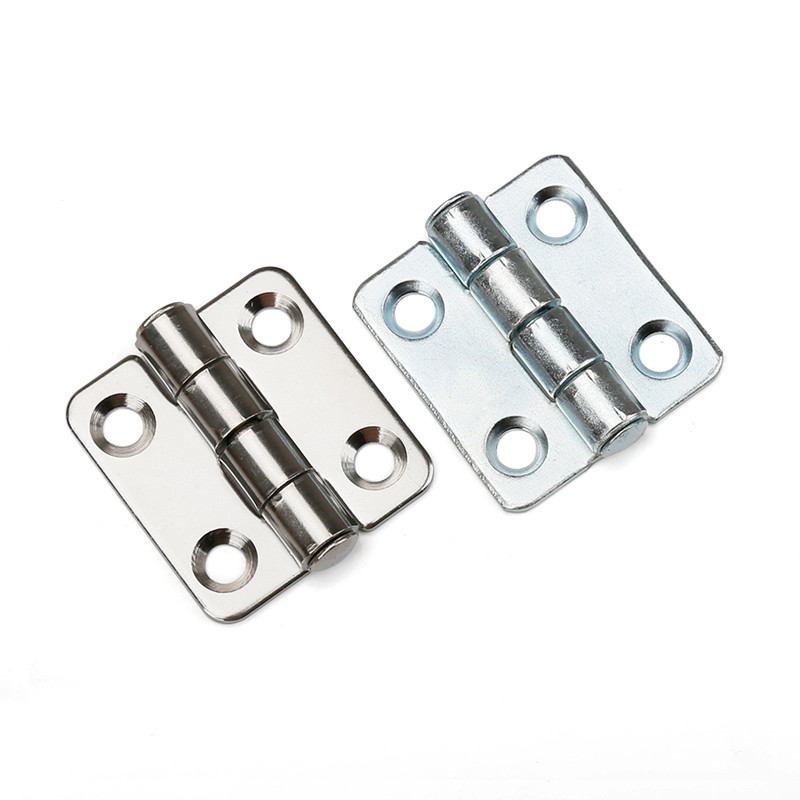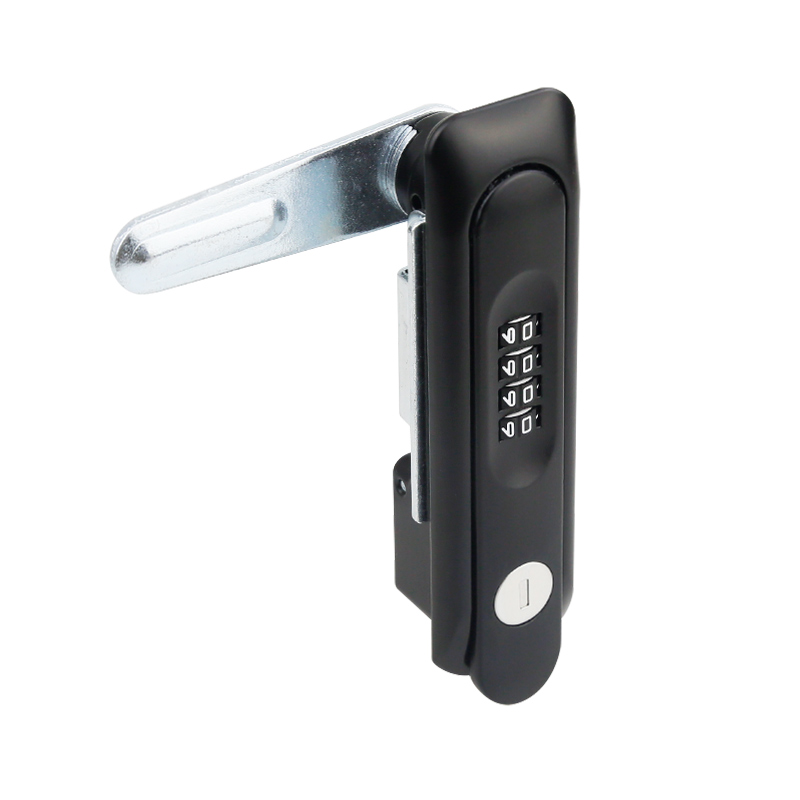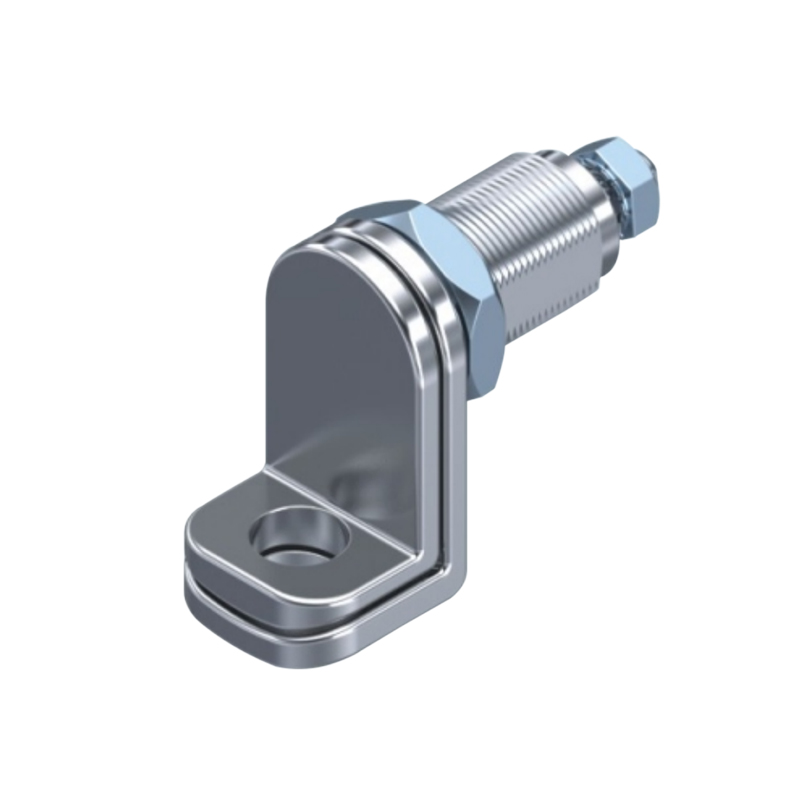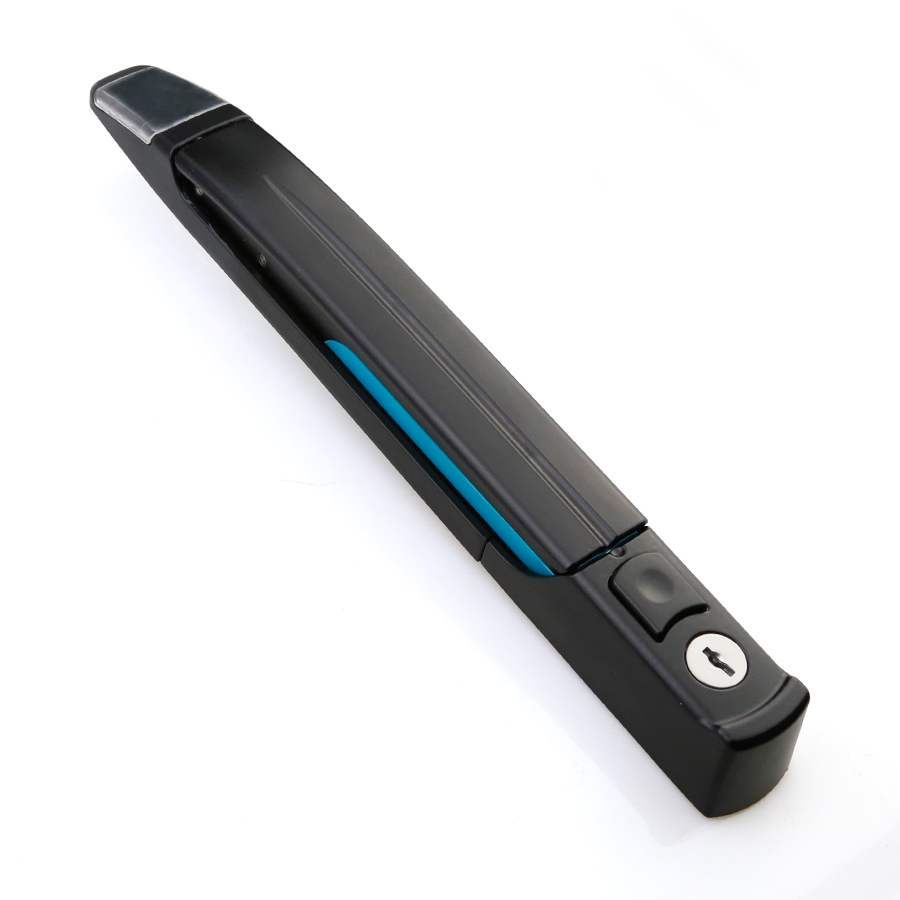

The External Corner Lift‑Off Hinge is zinc‑alloy based detachable cabinet hardware built for industrial cabinetry and equipment enclosures. This blog explores its core structural advantages, material performance, real‑world deployment scenarios, installation logic and common operational questions. Targeted for industrial hardware buyers, cabinet designers and equipment integrators, this article helps readers assess whether External Corner Lift‑Off Hinge fits enclosure design requirements. Proper selection of lift‑off hinge simplifies door panel assembly, on‑site maintenance and disassembly without sacrificing structural stability under harsh industrial operating environments.
External Corner Lift‑Off Hinge belongs to detachable surface‑mount cabinet hinge series, specially engineered for industrial equipment enclosures. Unlike ordinary fixed butt hinges, this hardware supports vertical lift‑off removal: operators can lift the door panel upward to separate door from cabinet frame without unscrewing hinge fasteners. This core feature brings huge convenience for mass production assembly line as well as post‑sales field maintenance work.
Many industrial cabinets and electrical boxes require frequent door removal during wiring, component replacement or equipment overhaul. Traditional fixed‑pin hinges force technicians to take out mounting screws before detaching panels, wasting working time and risking lost small fasteners. External Corner Lift‑Off Hinge solves this pain point with its dedicated corner‑mount lift‑off mechanism. Its back‑side positioning convex points help workshop staff achieve fast, repeatable mounting positioning, while internal cavity reinforcement reduces deformation risk under long‑term cyclic opening‑closing operations.
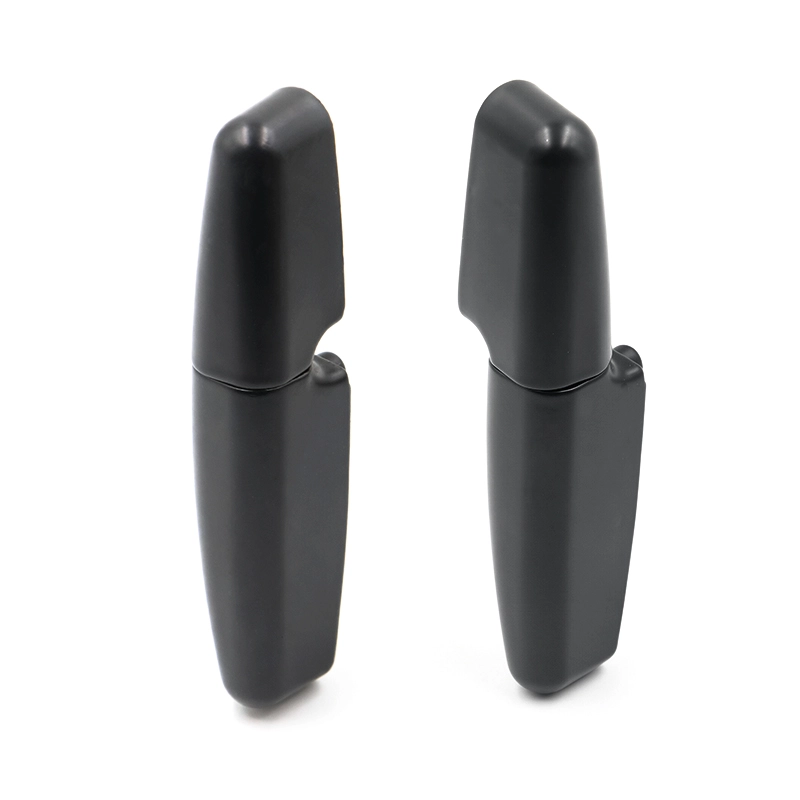
The core mechanism of External Corner Lift‑Off Hinge is its separable hinge pin structure. When the cabinet door opens to a proper angle, users can lift door vertically upward. Two hinge halves will disengage completely, and door panel can be taken away directly. No screwdriver or other hand tools are needed for disassembly. During mass cabinet manufacturing, production‑line workers can pre‑mount hinges on frames and doors separately before combining assemblies, raising overall production throughput.
Misaligned mounting holes often cause slow installation and uneven door gaps for cabinet assembly. External Corner Lift‑Off Hinge integrates small convex locating points on its rear face. When operators press hinge against cabinet surface, these bumps lock hinge into correct position before screw fastening. This positioning feature prevents accidental sliding during screw tightening, improves mounting accuracy and reduces adjustment work after installation.
Lightweight cast zinc alloy housing may suffer shear stress and bending deformation if structural design is poor. This hinge applies optimized cavity reinforcement layout inside hinge body. Reinforcement ribs distribute shear force generated during door opening and closing across whole component body, instead of concentrating stress on limited local zones. This design ensures the hinge maintains stable geometry and will not bend or deform even after thousands of opening‑closing cycles in heavy‑use industrial scenarios.
Tool‑free door panel removal for maintenance and assembly| Parameter Item | Specification Details |
|---|---|
| Product name | External Corner Lift‑Off Hinge |
| Model Number | 204‑2D |
| Raw Material | Zinc Alloy |
| Surface Treatment | Black Powder Coated |
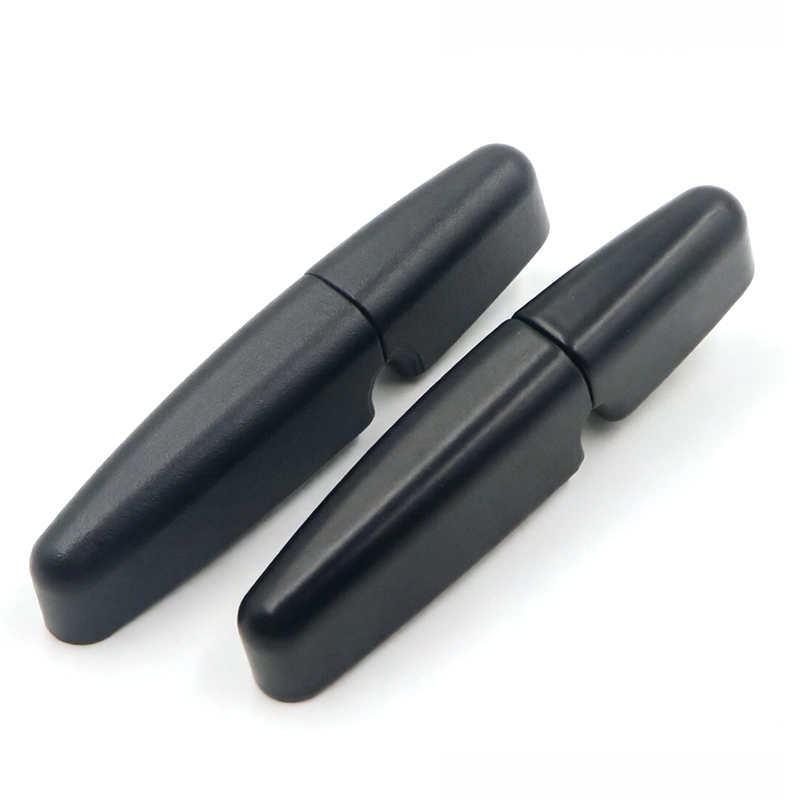
Zinc alloy die‑casting is widely adopted for industrial cabinet hardware because of balanced mechanical properties. Compared with plastic cabinet hinges, zinc alloy delivers far higher structural strength and load‑bearing capability, supporting heavier metal cabinet door panels. Meanwhile, zinc alloy can be precisely die‑cast to form complex internal reinforcement and positioning bump geometries which would be difficult to produce via stamping processes.
Black powder‑coated surface finish adds extra protection layer for base zinc alloy substrate. This spray‑coated surface enhances wear resistance when hinge components rub against each other during repeated door rotation. It also improves corrosion resistance against moisture, light chemical mist and dust present in factory workshop environment. Under normal industrial indoor conditions, powder coating effectively slows oxidation and surface discoloration. Still, users should note that powder‑coated zinc alloy is not designed for long‑term continuous outdoor exposure without additional enclosure protection measures.
External Corner Lift‑Off Hinge targets equipment cabinets where convenient door disassembly and stable mechanical performance are required. Its combination of load‑bearing strength, anti‑corrosion finish and quick‑release mechanism fits multiple industrial hardware scenarios:
Industrial control cabinets and electrical distribution boxes, for electrical wiring access and component maintenanceEquipment designers prefer this lift‑off hinge when cabinet doors need to be completely taken away frequently. Instead of swinging open partially, full door removal creates larger opening space for technicians to manipulate large internal modules. The external corner mounting style fits most standard cabinet frame profiles widely used by domestic and international cabinet manufacturers.
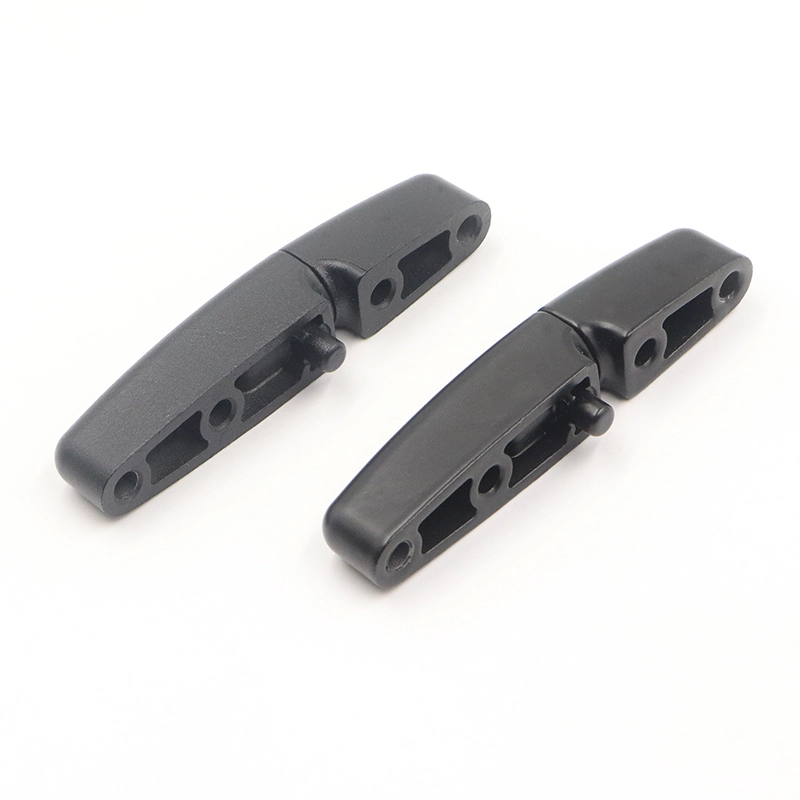
Correct mounting maximizes External Corner Lift‑Off Hinge service life and guarantees smooth lift‑off function. Cabinet fabricators should pay attention to locating point alignment, screw selection and door gap control during assembly workflow.
Select proper‑diameter machine screws matching hinge mounting holes. Thin self‑tapping screws may gradually become loose under frequent door vibration from factory machinery. For cabinets working in high‑vibration workshop environment, lock washers are recommended for better anti‑loosening effect.
Even robust zinc‑alloy lift‑off cabinet hinge requires simple periodic inspection to keep smooth operation over years of service. Maintenance workload for this hardware remains low compared with many other moving mechanical components.
Visually check powder‑coated surface for scratch or chipping. Damaged coating exposes base zinc alloy and raises risk of spot corrosion. Confirm mounting screws are still tight; vibration in production workshops can gradually loosen fasteners over months of operation.
Under normal indoor factory conditions, extra lubricant is usually unnecessary. If the hinge rotates stiffly after heavy dust accumulation, clean hinge pin contact area and apply small amount of dry‑film lubricant. Avoid dripping excessive liquid oil, which attracts dust and creates abrasive paste inside hinge clearance.
If zinc‑alloy body shows permanent bending deformation caused by door overload impact, replace the whole hinge unit immediately. Do not continue using deformed hardware, as it may lead to unexpected door dropping risk.
Want to gather more technical information about External Corner Lift‑Off Hinge for your cabinet and enclosure design project? Visit the dedicated product page for full hardware details.
External Corner Lift‑Off Hinge Product Page
If you have technical questions on model selection, cabinet matching or custom hardware requirements, feel free to Contact Us. Explore more industrial cabinet hardware product lines by visiting About Us.
-