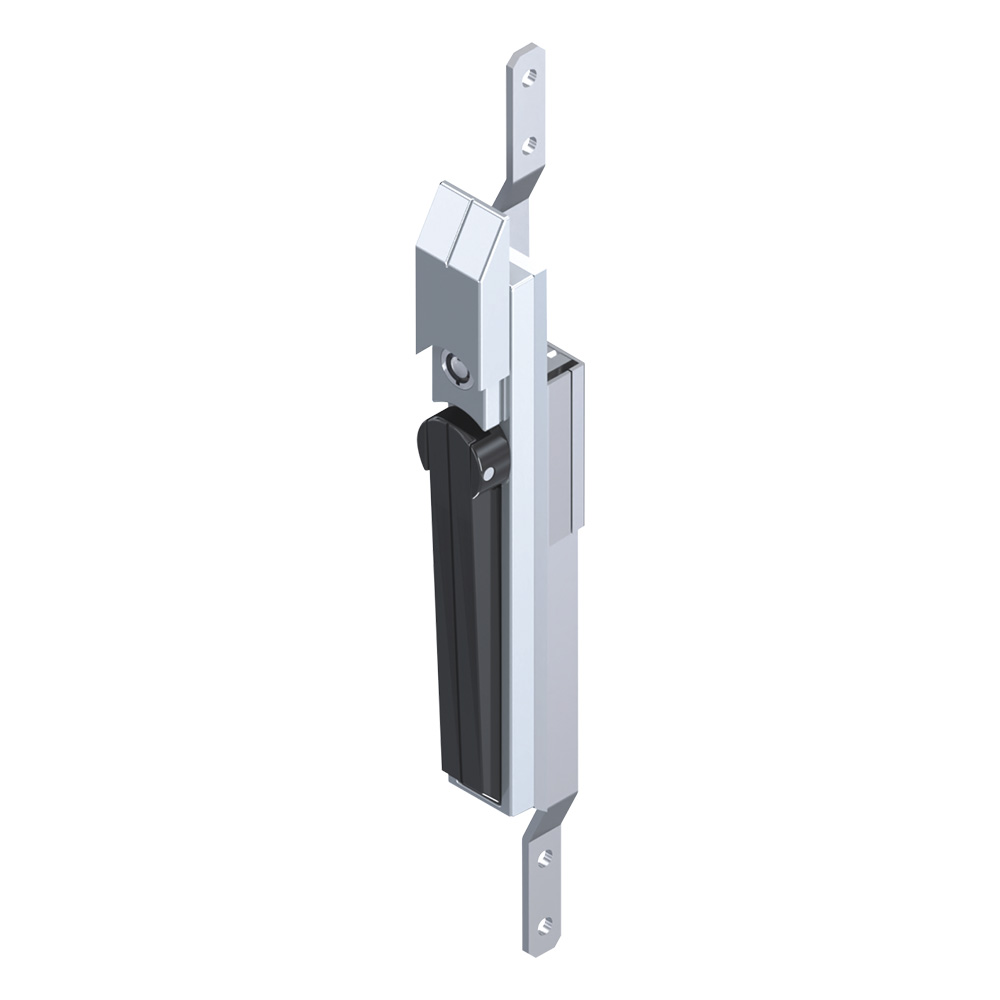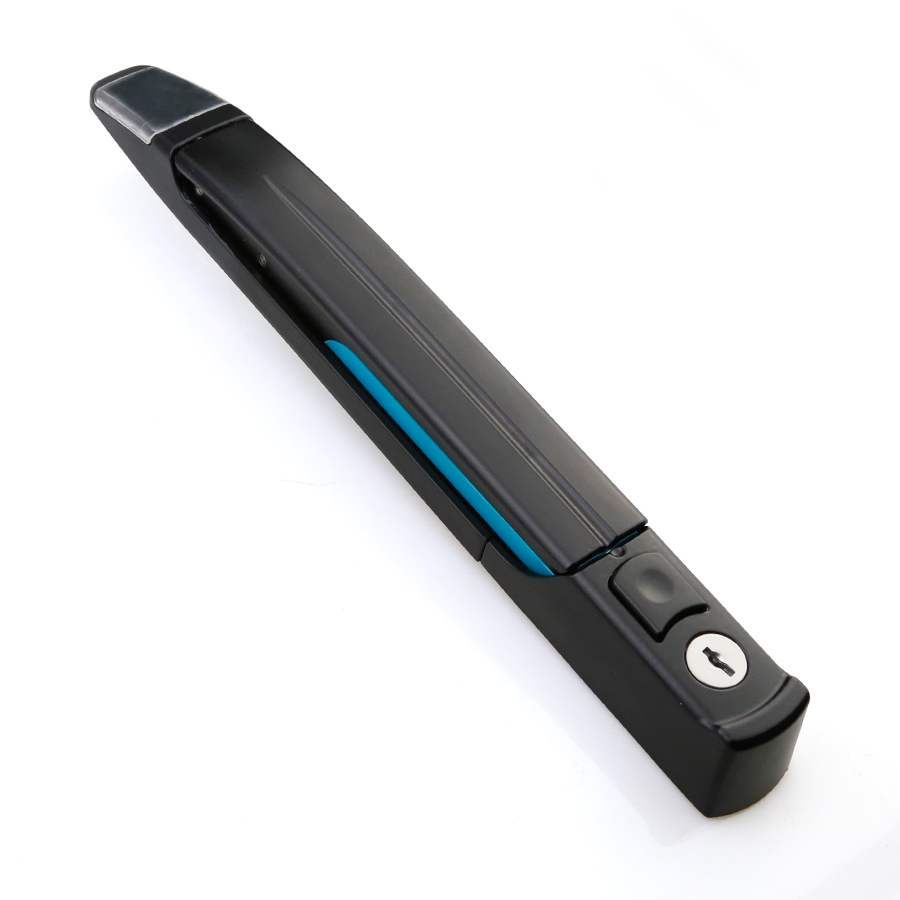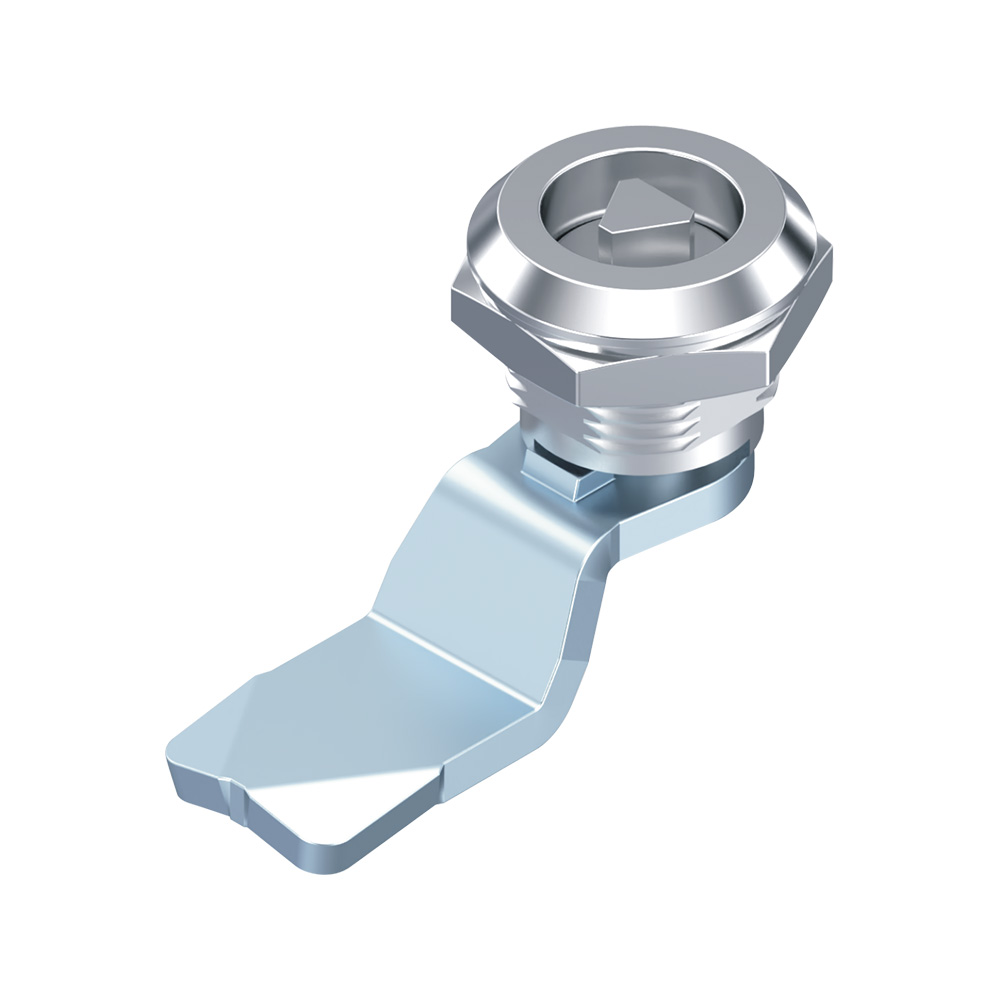

Rittal Cabinet Lever Rod Control is a precision-engineered locking and actuating system used in industrial cabinets, server enclosures, electrical control panels, and machinery housing. It ensures stable, multi-point locking through an internal rod-driven mechanism that reinforces the cabinet door, prevents warping, enhances security, and improves long-term equipment protection.

In industrial environments where vibration, dust, moisture, and temperature fluctuations are common, the integrity of cabinet doors directly affects operational safety and equipment lifespan. Lever rod control systems strengthen cabinet structure, maintain sealing performance, and reduce the risk of accidental opening, making them a preferred solution in data centers, automation lines, transportation hubs, power distribution rooms, and manufacturing facilities.
The value of a lever rod control system lies in its mechanical precision, structural reliability, and installation compatibility. Below is a comprehensive set of core parameters and specifications that define a high-grade Rittal-style lever rod control solution.
| Parameter Category | Specification Details |
|---|---|
| Material Composition | Zinc alloy lever body, galvanized steel rods, reinforced nylon bushings, stainless-steel fasteners |
| Surface Treatment | Anti-corrosion coating, zinc plating, anti-rust finish for humid or outdoor conditions |
| Rod Length Options | Customizable lengths: 300mm–1600mm, adaptable for single or multi-door cabinets |
| Rod Diameter | Standard 8mm–10mm for structural stiffness and vibration resistance |
| Lever Handle Type | Swing handle, T-handle, L-handle, recessed handle, lock-core-ready design |
| Lock Compatibility | Euro cylinder core, cam lock systems, and customized security locking modules |
| Mounting Configuration | Single-point, two-point, or three-point locking structure with quick-fit brackets |
| Door Compatibility | Suitable for steel enclosures, stainless cabinets, sheet-metal doors, and IT server racks |
| Load-Bearing Strength | High tensile resistance suitable for heavy industrial enclosure doors |
| Operating Temperature | –20°C to 80°C depending on chosen materials |
| Vibration Resistance | Reinforced rod design reduces rattle and ensures long-term stability |
These parameters function collectively to ensure that cabinets maintain a high degree of mechanical integrity and environmental protection, especially in applications where safety compliance is essential.
Industrial environments demand absolute reliability from enclosure components. Rittal-style lever rod control systems deliver several advantages that make them superior to standard latch mechanisms.
Traditional single-point locks allow the door to flex under vibration or pressure. Lever rod controls secure the cabinet at multiple points—top, center, and bottom—ensuring uniform force distribution and preventing deformation.
Many industries depend on consistent dust and moisture protection. A controlled rod–lever mechanism presses the gasket evenly against the frame, which helps maintain higher IP ratings and extends gasket lifespan.
Factories, automation lines, and transportation equipment create persistent vibrations. The aligned rod mechanism significantly reduces door shaking, noise, and long-term structural fatigue.
Because the lever body can integrate lock cores or cylinder systems, it strengthens access control and reduces unauthorized entry risks. It also supports modern digital locking upgrades.
The system fits electrical cabinets, network racks, power distribution boxes, machine housings, and industrial control panels. Its modular structure simplifies retrofitting as well.
Safer locking, fewer maintenance intervals, and longer component lifetime translate to reduced downtime and lower total operating cost.
Installation quality directly affects a cabinet’s structural integrity. The following best practices guide technicians and engineers toward achieving maximum performance.
Verify cabinet door thickness and frame dimensions before choosing rod length.
Align rods precisely along the vertical axis to ensure uniform engagement.
Use mounting brackets compatible with the cabinet’s material and load capacity.
Ensure smooth actuation by lubricating pivot points during installation.
Test rod movement through repeated cycles before final tightening.
Inspect rods regularly for wear, corrosion, or loosened fasteners.
Replace nylon bushings if rotational friction increases.
Check the door gasket and ensure the lever applies even compression.
Lubricate mechanical parts every six to twelve months depending on usage.
Ensure locked and unlocked positions engage fully with no partial movement.
Proper maintenance extends the life of the enclosure and preserves structural safety.
Industrial infrastructure continues to evolve, and cabinet security mechanisms are evolving with it. Several major trends are emerging:
Lever rod control will increasingly incorporate electronic authentication modules, RFID scanning, and remote monitoring without compromising mechanical stability.
As weight reduction becomes important for large-scale enclosures, composite rods and reinforced polymers will replace traditional metals in some applications.
Eco-friendly anti-corrosion coatings will reduce environmental impact while improving resistance in harsh climates.
Integration with sensors could allow doors to report wear, vibration anomalies, or lock-engagement failures before issues arise.
Cabinet manufacturers are shifting toward fully modular systems in which lever rod controls can be swapped, extended, or reconfigured with minimal tools.
These advancements will create safer, more efficient enclosures capable of supporting increasingly automated environments.
A: This usually occurs when rod alignment is off by several millimeters. If the rods do not enter the upper and lower latching holes at the correct angle, the lever mechanism cannot apply uniform pressure. This affects sealing and structural tightness. Adjusting the rod brackets, tightening the pivot fasteners, and ensuring the door frame is not warped typically resolves the issue.
A: Measure the distance from the lever handle position to both the top and bottom engaging points of the cabinet frame. Subtract the internal clearance needed for smooth rod movement, typically 10–20mm. Rod lengths can be customized in factory production, and selecting an exact fit ensures smooth actuation, reduces vibration, and prevents premature wear.
Lever rod control systems play a critical role in ensuring cabinet safety, equipment stability, and operational continuity. They reinforce enclosure doors, protect valuable components, and maintain consistent performance under vibration, environmental stress, and heavy usage. The rising technological and environmental demands placed on industrial cabinets are driving the need for more sophisticated, more durable, and more adaptable locking mechanisms.
For businesses seeking dependable cabinet hardware that excels in precision, durability, compatibility, and long-term cost efficiency, choosing a trusted manufacturer is crucial. Cofiy delivers engineered solutions designed for industrial reliability, offering customizable rod lengths, advanced materials, high-strength hardware, and strict quality control to match various cabinet applications.
For specialized product recommendations, custom solutions, or technical guidance, contact us today to learn more about how Cofiy can support your enclosure system requirements.