
Industrial facilities, warehouses, commercial buildings, and transportation equipment require secure locking systems that can withstand frequent operation, vibration, and demanding environmental conditions. A rod control lock is one of the most reliable solutions for enhancing door stability, multi-point locking performance, and operational safety. In this article, we explore how rod control locks work, where they are used, their major benefits, and how businesses can choose the right solution for long-term performance.
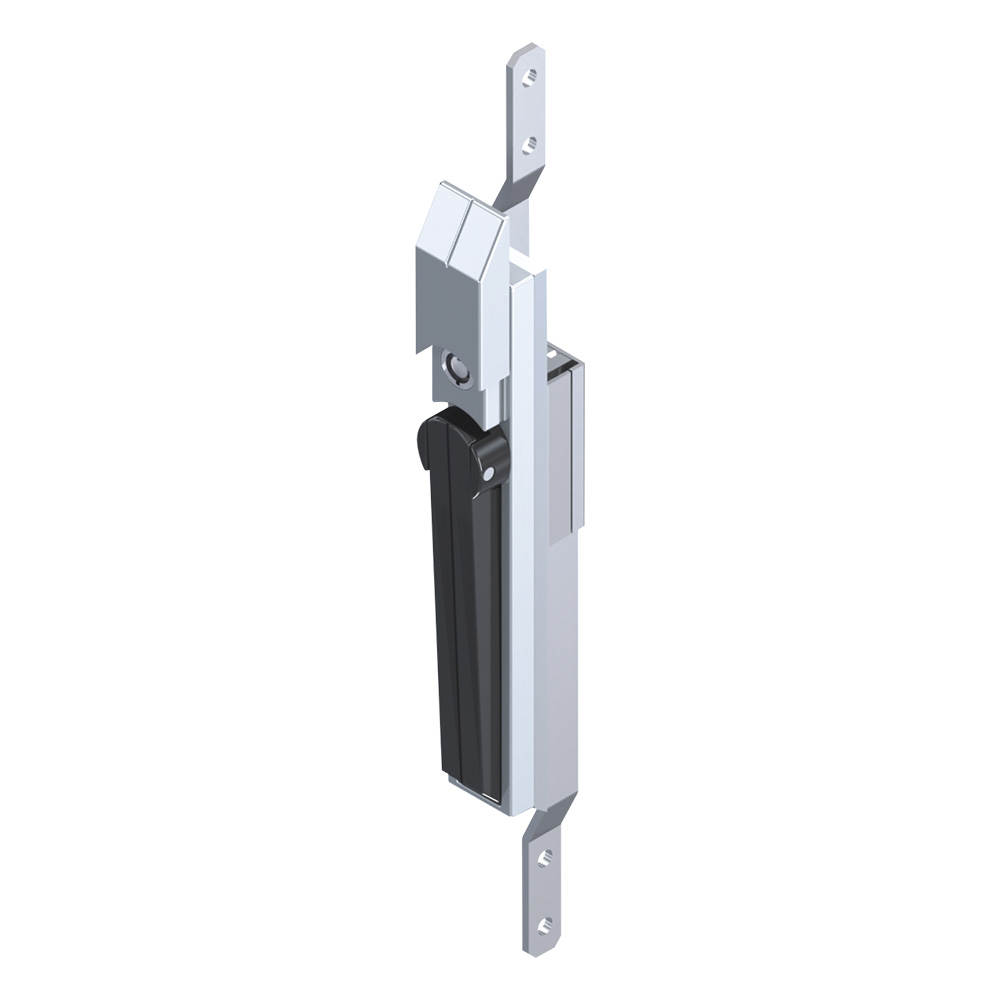
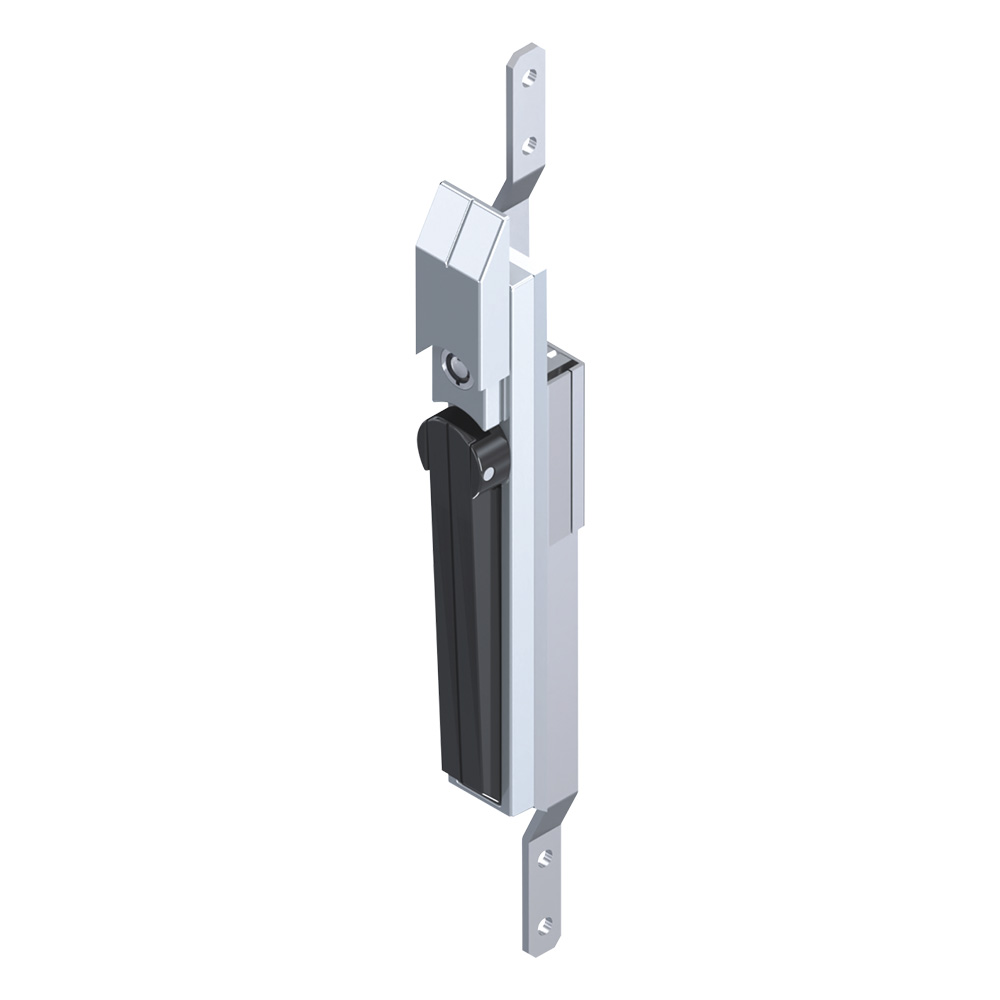
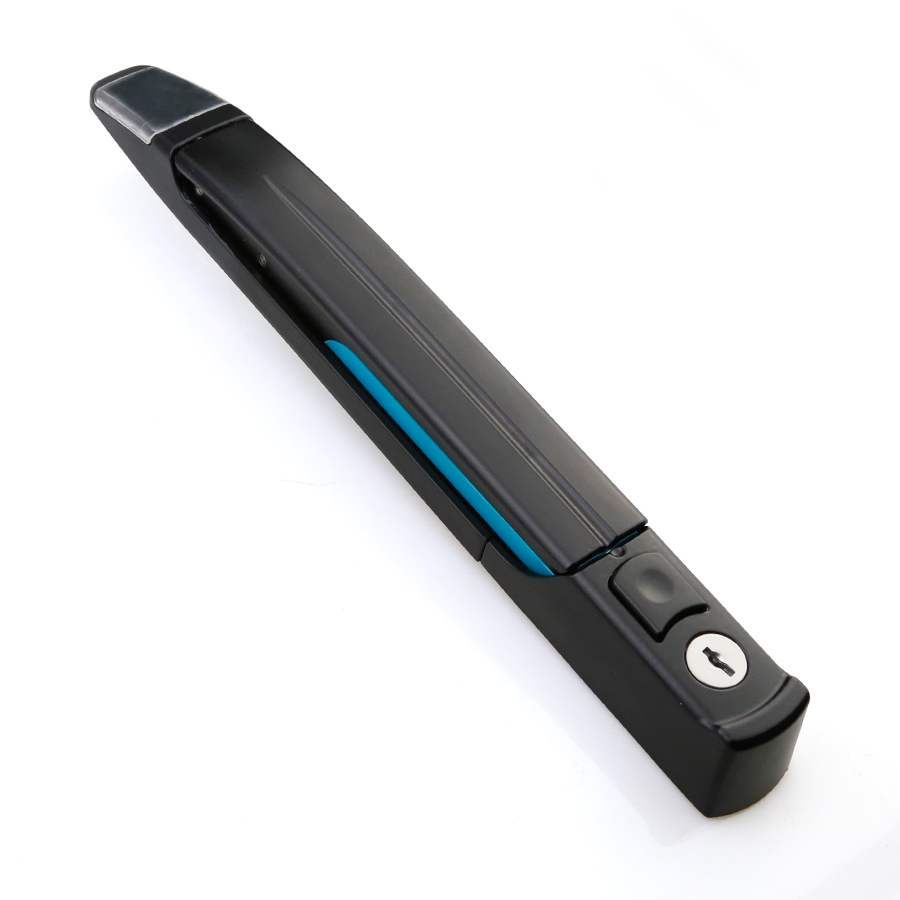
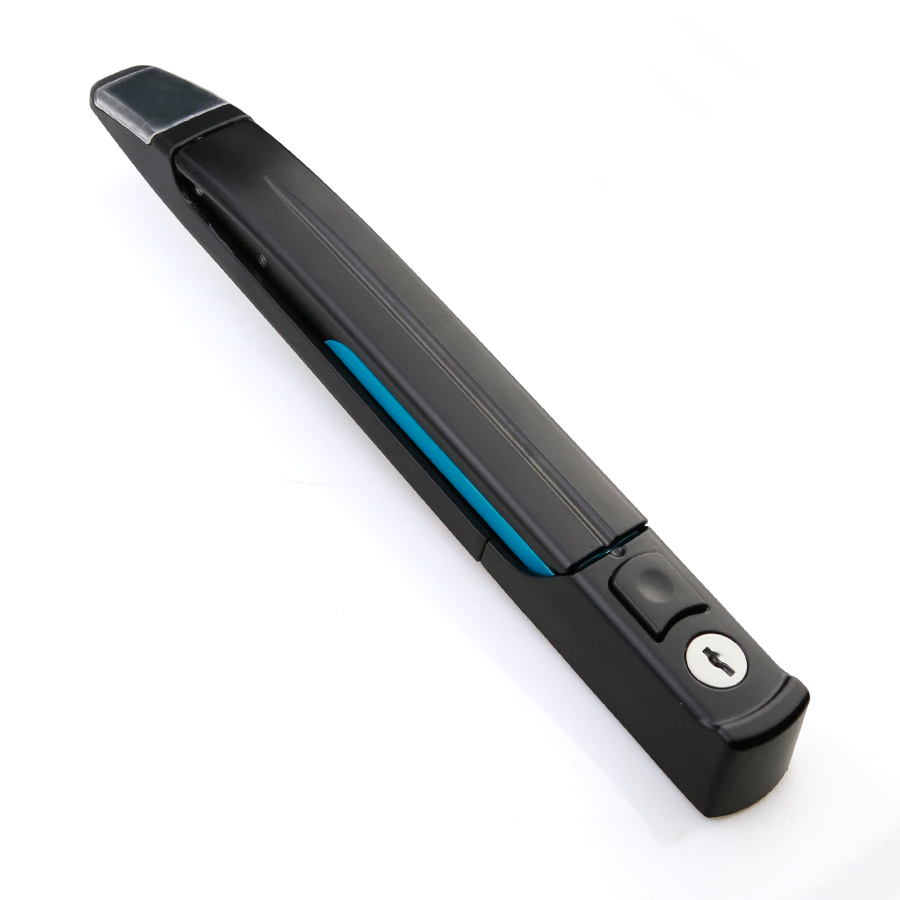
A rod control lock is a mechanical locking device designed to control vertical or horizontal rods connected to a door locking mechanism. These locks are commonly installed in industrial cabinets, transportation vehicle doors, utility enclosures, heavy-duty equipment compartments, and warehouse access systems.
Unlike standard single-point locks, rod control locks distribute locking force across multiple points. This design improves both security and structural stability, especially for large or high-vibration doors.
The locking mechanism usually operates through:
Manufacturers such as Cofiy provide rod control lock solutions for demanding industrial environments where durability and safety are critical.
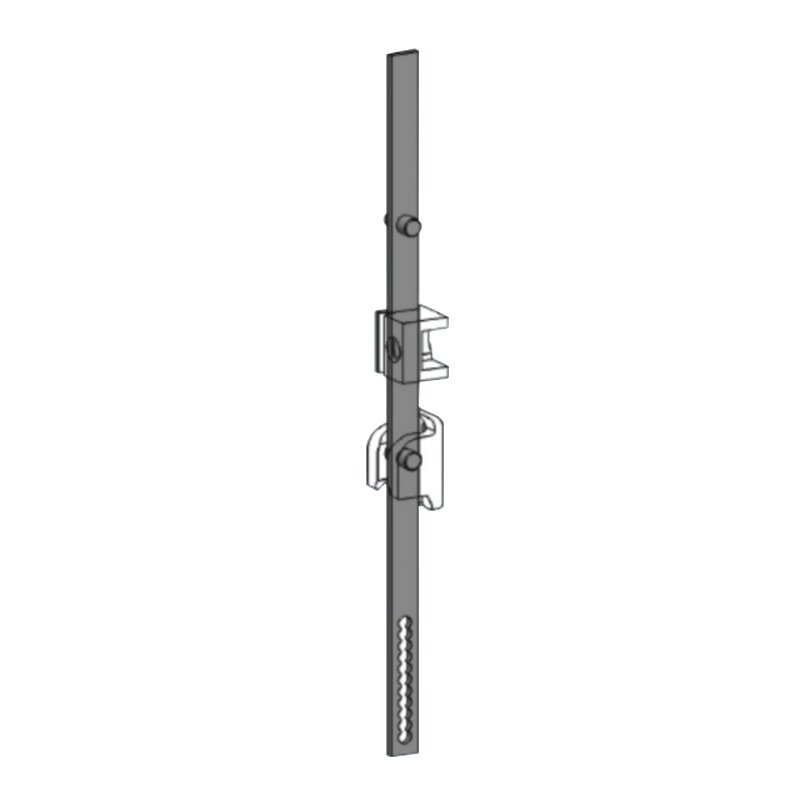
A rod control lock works by transferring rotational or linear motion from the handle or cylinder to connected rods. These rods extend toward the top and bottom of the door frame, creating multiple locking points simultaneously.
| Component | Function |
|---|---|
| Handle or Cylinder | Initiates lock movement |
| Connecting Rods | Transmit force to multiple locking points |
| Guides and Brackets | Maintain rod alignment |
| Locking Bolts | Secure the door in place |
| Housing Assembly | Protects internal components |
When the handle rotates:
This synchronized locking structure significantly improves overall door integrity compared to conventional locks.
Because the locking force is distributed across several points, rod control locks make unauthorized access more difficult. This is especially important for:
Large doors may flex or shift over time. Multi-point locking minimizes movement and helps maintain proper door alignment.
Transportation vehicles and industrial equipment often experience constant vibration. Rod control locks maintain secure engagement even under harsh operating conditions.
Users can lock or unlock multiple points with a single action. This reduces operation time and improves convenience for workers.
High-quality rod control locks are designed for repeated industrial use. Durable materials and corrosion-resistant finishes help extend lifespan and reduce maintenance frequency.
Rod control locks are widely used in many industries due to their versatility and reliability.
| Industry | Application |
|---|---|
| Transportation | Truck doors, trailer compartments, rail systems |
| Industrial Equipment | Machine access panels and equipment housing |
| Electrical Infrastructure | Power distribution cabinets and switchgear |
| Telecommunications | Outdoor network cabinets and enclosures |
| Warehousing | Storage systems and industrial doors |
As industrial security requirements continue to increase, more businesses are transitioning from traditional locking systems to advanced rod control lock solutions.
Material selection directly affects lock performance and longevity. Industrial environments may expose locking systems to:
Common materials used in rod control locks include:
| Material | Advantages |
|---|---|
| Stainless Steel | Excellent corrosion resistance |
| Zinc Alloy | Good strength and cost balance |
| Carbon Steel | High structural durability |
| Powder-Coated Components | Additional surface protection |
Choosing the correct material is essential for maximizing reliability in demanding environments.
Selecting the correct rod control lock requires evaluating several important factors.
Larger doors require stronger locking mechanisms and reinforced rod systems.
Outdoor applications typically require corrosion-resistant finishes and weatherproof construction.
High-security installations may require advanced cylinder systems, tamper resistance, or padlock compatibility.
Doors used frequently should have heavy-duty internal mechanisms designed for long operational cycles.
The lock should integrate smoothly with existing door structures and enclosure designs.
Reliable manufacturers like Cofiy offer multiple rod control lock configurations suitable for different industrial requirements.
Routine maintenance helps ensure smooth operation and prevents unexpected failures.
Preventive maintenance can significantly extend the service life of industrial locking systems while reducing downtime costs.
| Feature | Rod Control Lock | Traditional Lock |
|---|---|---|
| Locking Points | Multiple | Single |
| Door Stability | Excellent | Moderate |
| Vibration Resistance | High | Lower |
| Security Level | Enhanced | Basic |
| Industrial Suitability | Excellent | Limited |
Yes. Many rod control locks are specifically designed with corrosion-resistant materials and protective coatings for outdoor applications.
Yes. Multi-point locking reduces accidental opening and helps secure industrial equipment during operation.
Transportation, electrical infrastructure, telecommunications, warehousing, and industrial manufacturing industries commonly use rod control locks.
No. High-quality systems generally require only periodic inspection and lubrication for long-term performance.
Yes. Many manufacturers provide different sizes, rod lengths, materials, handle styles, and security configurations to meet specific application requirements.
Rod control locks play an essential role in modern industrial security systems. Their multi-point locking structure provides superior stability, enhanced protection, improved operational efficiency, and long-term durability compared to traditional locking methods.
Whether used in transportation equipment, industrial enclosures, utility cabinets, or warehouse facilities, rod control locks offer reliable performance under demanding conditions. Businesses looking to improve security and operational reliability should carefully evaluate lock materials, environmental resistance, installation compatibility, and maintenance requirements before selecting a solution.
If you are searching for reliable and durable rod control lock solutions for industrial doors, electrical cabinets, transportation equipment, or enclosure systems, Cofiy can provide professional hardware products tailored to demanding applications.
Our team is committed to delivering high-performance industrial locking systems with excellent durability, smooth operation, and long service life.
For product details, technical support, or custom solutions, please contact us today: